Deep clean sofas without damage using safe methods
Most sofas look fine at a glance, until you sit down and notice the faint odour, the dull patches, the food crumbs buried in the seams, or that one mystery mark that has been there since last winter. If you want to deep clean sofas without damage using safe methods, the real goal is simple: lift dirt, remove trapped grime, and freshen the fabric without shrinking, fading, water-spotting, or loosening the structure underneath.
That sounds straightforward enough. In practice, it takes a bit of judgement. Different sofa fabrics react in very different ways, and what works beautifully on a synthetic blend can go badly wrong on velvet, linen, or a delicate natural fibre. This guide walks you through the safest approach, from checking the care label to choosing the right cleaning method, drying it properly, and knowing when it is smarter to stop and bring in professional help. You will also find a clear checklist, a comparison table, and a realistic example from an everyday home situation.
- Why safe deep sofa cleaning matters
- How the process works
- Key benefits and practical advantages
- Who this is for and when it makes sense
- Step-by-step guidance
- Expert tips for better results
- Common mistakes to avoid
- Tools, resources and recommendations
- Law, compliance, standards and best practice
- Options and method comparison
- Real-world example
- Practical checklist
- Conclusion
- Frequently asked questions
Why Deep clean sofas without damage using safe methods Matters
A sofa is usually one of the hardest-working pieces of furniture in the house. It deals with daily sitting, snacks, pets, open windows, heating dust, spills, and the occasional sleepy afternoon nap. So when it starts to look tired, a surface vacuum alone rarely solves the problem.
The trouble is that upholstery is not all built the same. Some fabrics are robust and forgiving. Others are fussy, absorb moisture badly, or can show marks as soon as you touch them with the wrong product. A "stronger" cleaner is not automatically better. In fact, harsh products are one of the quickest ways to leave a permanent patchy finish.
Safe deep cleaning matters because it protects three things at once: the fabric, the filling, and the frame. Too much water can seep into the cushion interior and create damp smells. Abrasive brushing can rough up fibres. Excessive heat can shrink some textiles. And if you are working on a modular or vintage piece, even one over-wet cushion can leave an uneven result that looks worse than before. Bit annoying, really.
In many UK homes, sofas also sit fairly close to radiators or windows, which means dust, sunlight and temperature changes all affect the finish. A careful method keeps the sofa looking cleaner for longer and helps avoid that familiar cycle of clean, dry, then oddly marked again.
How Deep clean sofas without damage using safe methods Works
The safest approach is not about scrubbing harder. It is about matching the method to the material and using controlled amounts of moisture, product and friction.
In plain English, the process usually works like this:
- Identify the fabric type and care label code.
- Remove loose dirt with a vacuum and upholstery attachment.
- Test any cleaner on a hidden area first.
- Use the least aggressive method that will still remove the soil.
- Blot, do not soak.
- Rinse or wipe away residue where needed.
- Dry the sofa thoroughly and evenly.
The care label is the starting point. Many sofas use standard upholstery codes, often indicating whether the fabric is suitable for water-based cleaning, solvent-based cleaning, both, or neither. If the label is missing or unclear, you need to be even more cautious. That is the moment when people get into trouble by guessing. Truth be told, guessing is expensive.
There is also a difference between cleaning and restoring appearance. A safe deep clean can remove body oils, dust and everyday grime, but it will not magically erase wear, fibre crush, dye damage, or old water stains. Good expectations matter here. A clean sofa should look fresher, smell better, and feel more pleasant. It may not look brand new, and that is okay.
For larger households, rented properties, or furniture that needs more than a quick refresh, many people choose a broader home reset such as deep cleaning support or a one-off visit through one-off cleaning. If the sofa is part of a bigger refresh, that can make the job feel far less chaotic.
Key Benefits and Practical Advantages
When done properly, safe sofa deep cleaning gives you more than just a nicer look. The practical gains show up in daily life.
- Better air feel in the room: removing dust and trapped debris can make a living space feel fresher, especially in homes with pets or heavy use.
- Longer fabric life: gentle cleaning reduces fibre wear and helps preserve the original texture.
- Less lingering odour: spills, sweat and food residue can leave an unpleasant smell that a surface tidy will not fix.
- Improved appearance: colours often look brighter once the surface film has been lifted.
- Safer for mixed households: careful product choice is useful where children, allergy sensitivities or pets are part of the picture.
- Better stain management: treating marks early usually gives a better outcome than leaving them for months and hoping for the best.
There is also a psychological benefit. A clean sofa changes the feel of a whole room. You notice it when you walk in. The fabric looks calmer. The room smells less stale. The seating area stops feeling a bit "lived in" in the wrong way. Small thing, but it matters.
For homeowners who already use domestic cleaning or prefer the occasional one-off clean, sofa care fits neatly into the broader routine of keeping the home manageable rather than letting jobs pile up until they become a weekend project.
Who This Is For and When It Makes Sense
This approach is useful for anyone who wants a cleaner sofa without taking unnecessary risks. But some situations make it especially worthwhile.
- Families with children: food spills, hand marks and sticky patches are part of normal life.
- Pet owners: fur, dander and the occasional wet paw can build up quickly.
- Tenants preparing to move out: upholstery often gets overlooked when people focus on kitchens and bathrooms, yet it can affect the overall impression of a property.
- Landlords and letting agents: a fresh sofa can help a furnished property feel cared for.
- Older or delicate furniture owners: if you have a sofa you genuinely want to keep, gentle methods are the safer choice.
- Offices and reception spaces: seating in shared areas collects a surprising amount of dust and skin debris.
Sometimes the best time to deep clean is after a seasonal shift. Early spring works well because you can air the room more easily. After a wet winter, furniture often holds onto a slightly stale, closed-in smell. In summer, you may still clean, but you need to be more careful with sun exposure and drying. A simple job can become a faff if you rush it.
If the sofa is being cleaned as part of a broader property refresh, services such as end of tenancy cleaning or office cleaning can help ensure the whole space feels consistent rather than tidy in one corner and neglected in another.
Step-by-Step Guidance
Below is a safe, practical method you can follow at home. It is intentionally cautious. That is the point.
1. Read the care label first
Look for cleaning codes and any manufacturer guidance. If you see a code that indicates water should not be used, stop before you start. If the fabric is unknown, treat it like a delicate material until proven otherwise.
2. Vacuum thoroughly
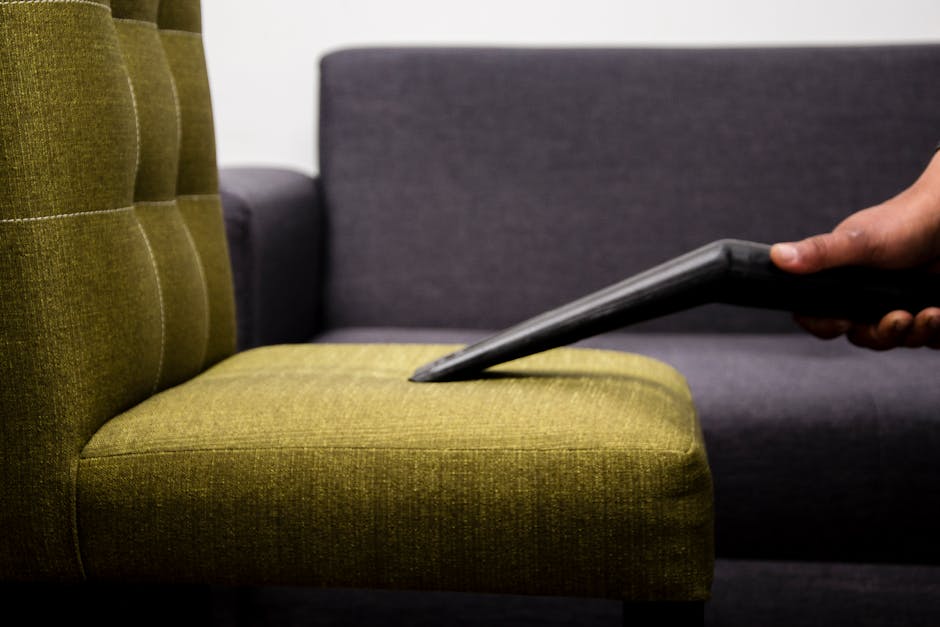
Use an upholstery attachment to remove dust, crumbs and loose debris from the seat, back, arms and seams. Pay attention to piping and the gap where cushions meet the frame. This step matters more than people think. If you skip it, you end up turning dry dirt into muddy residue later.
3. Check for colourfastness
Test your chosen cleaner in a hidden area, such as the back edge or underneath a cushion flap. Apply a tiny amount, blot it, and wait for discolouration or texture changes. Do not rush this. A five-minute test can save a very expensive mistake.
4. Choose the mildest suitable cleaner
For many washable synthetic fabrics, a dilute upholstery cleaner or a small amount of pH-neutral solution is enough. For more sensitive materials, use only what the care label allows. Avoid strong bleach-based formulas, overly perfumed sprays, and anything that promises miracle results in ten seconds flat.
5. Work in sections
Clean one small area at a time. Apply the product lightly to a cloth or upholstery sponge rather than directly flooding the fabric. Blot, lift, and repeat. Gentle circular movements can help, but aggressive scrubbing can flatten fibres and spread the stain.
6. Treat stains individually
Different stains behave differently. Grease, drink spills, mud and body oils do not respond the same way. Use a stain-specific approach, but keep the motion light. For fresh liquid spills, blot from the outside in. For dried marks, loosen gently and avoid grinding them deeper into the weave.
7. Rinse or wipe away residue
Residue attracts dirt later, which means a sofa can look clean for a day and then start feeling sticky or dull again. If the product instructions call for a wipe-down, use a clean damp cloth with minimal moisture.
8. Dry properly
This is where many people go wrong. Open windows if weather allows, use gentle airflow, and keep cushions spaced out so moisture can escape. Do not put covers back on too soon. Do not sit on it too early either, unless you enjoy damp trousers and flattened foam.
9. Reassemble and fluff
Once fully dry, refit the cushions, smooth the seams, and gently brush the nap if the fabric allows it. The sofa should feel clean but not stiff or overtreated.
Expert Tips for Better Results
These are the small things that make a real difference. Not glamorous, but useful.
- Always start dry: vacuum before any liquid touches the fabric.
- Less moisture is usually better: over-wetting is one of the biggest causes of damage.
- Use white cloths or light microfibre: coloured cloths can transfer dye.
- Rotate cushions after drying: it helps even out wear and drying.
- Keep products simple: the fewer ingredients you introduce, the easier it is to control the result.
- Mind the room temperature: a slightly warmer, airy room helps drying, but avoid blasting heat directly at the fabric.
- Deal with spills quickly: fresh marks are far easier to lift than old set-in stains.
A little practical instinct goes a long way here. If the sofa starts to smell musty while drying, that is usually a sign it has taken on too much moisture. Pause, increase airflow, and let it breathe. Sometimes the best move is to stop and wait. Not exciting, but sensible.
If you are already arranging other home services, such as carpet cleaning or rug cleaning, it often makes sense to plan upholstery care alongside them so the whole room finishes at the same standard.
Common Mistakes to Avoid
Most sofa damage happens through avoidable habits rather than dramatic accidents. Here are the big ones.
- Using too much water: this can cause rings, long drying times and internal damp.
- Skipping the patch test: if the fabric reacts badly, you want that to happen in a hidden spot, not in the middle of the seat.
- Scrubbing hard at stains: force usually spreads the mark and roughs up the surface.
- Mixing cleaning products: even mild products can react badly together.
- Using heat too aggressively: hairdryers and direct heaters can distort or shrink some materials.
- Ignoring the frame and underside: trapped dirt at the base can affect odour and dust levels.
- Putting cushions back before they are dry: that can lock in moisture and create a stale smell later on.
One fairly common mistake is trying to make the whole sofa look identical in one pass. Real upholstery does not behave like a flat tile. Different panels, stitching, worn arms and shaded areas can all clean slightly differently. That is normal. Aim for clean, even, and safe rather than unnaturally perfect.
Tools, Resources and Recommendations
You do not need a huge kit to clean a sofa well. In fact, a lean setup is often safer.
- Upholstery vacuum attachment: ideal for seams, corners and cushion edges.
- Soft brush: useful for loosening surface dust on suitable fabrics.
- White microfibre cloths: good for blotting without dye transfer.
- Spray bottle: helps you apply products sparingly.
- Neutral upholstery cleaner: choose one suitable for the care label.
- Clean towels: helpful for absorbing leftover moisture.
- Fan or open-window ventilation: simple but effective for drying.
If you are deciding whether to attempt the job yourself, think about the fabric and the stain type first. A lightly soiled modern sofa is usually manageable at home. A delicate or expensive piece, or one with unknown fibre content, is more of a caution zone. If in doubt, a specialist upholstery service can usually assess the material and choose the correct technique before damage happens.
For furniture that is part of a larger reset, pairing sofa care with upholstery cleaning is often the sensible route, especially where armchairs, headboards or dining chairs also need attention.
Law, Compliance, Standards and Best Practice
For most households, sofa cleaning is not heavily regulated in a formal sense. Still, a few UK best-practice points matter, especially if you are cleaning in a business, rented property, or shared setting.
Safety first is the simplest standard to follow. That means using products according to the label, keeping the area ventilated, and storing chemicals out of reach of children and pets. If you are working in an office, reception, serviced accommodation or managed property, it is wise to keep cleaning methods consistent with your own health and safety procedures.
In rented homes, it is also sensible to treat upholstery carefully because damage from over-wetting or incorrect product use can become a dispute later. A gentle, documented approach is far easier to defend than a "we tried something and hoped for the best" approach. Nobody wants that conversation.
Professional cleaners generally work to practical industry norms: identify the fibre, test first, use controlled moisture, avoid cross-contamination, and dry thoroughly. If a provider has clear health and safety information, insurance details, and transparent pricing, that is a good sign of a mature service rather than a rushed one. You can review details such as insurance and safety and health and safety policy if you want to understand how a company frames its standards.
For service transparency and customer confidence, it also helps when a company explains pricing and quotes clearly and is open about recycling and sustainability. That does not directly clean a sofa, of course, but it does tell you a lot about how they work.
Options, Methods, or Comparison Table
There is no single "best" method for every sofa. The right choice depends on the material, the level of soiling and your tolerance for risk.
| Method | Best for | Risk level | Notes |
|---|---|---|---|
| Dry vacuuming and brushing | Routine maintenance, light dust, crumbs, pet hair | Low | Safe starting point for almost every sofa |
| Light blot cleaning with mild solution | Small fresh spills on suitable fabrics | Low to medium | Patch test essential; keep moisture limited |
| Foam-based upholstery cleaning | General refresh on washable fabric | Medium | Better controlled than soaking, but still needs care |
| Hot water extraction | Sturdier upholstery with deeper soiling | Medium to high | Effective, but over-wetting and drying time must be managed |
| Professional upholstery cleaning | Delicate fabrics, stubborn stains, valuable furniture | Lowest when done by an experienced cleaner | Best when the fabric is unknown or the sofa is expensive |
In practice, many people start with dry cleaning and spot treatment, then stop there if the sofa improves enough. That is often the smart move. Not every piece needs a heavy intervention.
Case Study or Real-World Example
A typical example: a three-seat sofa in a family living room had a light grey fabric, a few food marks along the front edge, and a slightly stale smell after a rainy winter. Nothing dramatic. Just that familiar dullness that creeps in over time.
The first pass was dry vacuuming, including the seams and the space under the cushions. That alone lifted a surprising amount of grit and crumbs. Then a patch test was done behind the back cushion flap with a mild upholstery cleaner. No discolouration appeared, so the cleaner was used sparingly on the front edge with a white cloth. The marks softened, but one older stain did not fully disappear. Fair enough.
Rather than flooding the area, the cleaner was gently blotted, the room ventilated, and the cushions left out to dry separately. By late afternoon, the fabric looked fresher, smelled cleaner, and the room felt lighter. The sofa was not transformed into something showroom perfect, but it looked cared for again. That is usually the real win.
It is also a good reminder that safe cleaning is about progress, not perfection. If the sofa has years of wear, the objective is to improve it without creating a new problem. That balance matters more than people think.
Practical Checklist
Use this before you start. It saves time and a fair bit of stress.
- Check the care label and fabric type
- Vacuum the entire sofa, including seams and under cushions
- Test the product on a hidden area first
- Use the mildest suitable cleaner
- Blot, do not scrub
- Work in small sections
- Keep moisture to a minimum
- Rinse or wipe away residue if required
- Allow full drying before use
- Check for lingering odour, rings or colour change after drying
If you can tick all ten, you are in a good place. If one or two are uncertain, slow down. That is usually the safest decision.
Get a free quote today and see how much you can save.
Conclusion
To deep clean sofas without damage using safe methods, you do not need aggressive chemicals or a heavy hand. You need a sensible sequence: identify the fabric, test carefully, use low moisture, clean gently, and dry properly. That combination protects the sofa and gives you the best chance of a clean, fresh finish without unwanted side effects.
Some sofas are straightforward. Others need patience, and a little humility, if we are honest. But if you follow the safer route, you can improve appearance, reduce odours, and extend the life of the furniture you already own. That is a good trade.
And really, that is what good cleaning should do: make the home feel easier to live in, not create another job for later.
Frequently Asked Questions
What is the safest way to deep clean a sofa at home?
The safest method is to vacuum first, patch test a mild upholstery cleaner, work in small sections with minimal moisture, and dry the sofa thoroughly. Avoid soaking the fabric.
Can I use washing-up liquid to clean a sofa?
Sometimes a very dilute solution may be used on suitable washable fabrics, but it is not the best all-purpose choice. It can leave residue if overused, so a purpose-made upholstery cleaner is usually safer.
How do I know if my sofa fabric can be wet cleaned?
Check the care label. If you cannot find one, assume the fabric may be sensitive and test cautiously in a hidden area before using any water-based method.
Will deep cleaning remove all stains?
Not always. Fresh stains are more likely to improve than old, set-in stains. Some marks may be permanent, especially if they have altered the fabric dye or fibre structure.
How long does a sofa take to dry after cleaning?
It depends on the fabric, humidity and airflow. Light cleaning may dry within a few hours, while deeper cleaning can take much longer. Good ventilation makes a big difference.
Can I use a steam cleaner on my sofa?
Only if the fabric care label allows it and you are confident the heat and moisture will not damage the material. Steam is not suitable for every sofa, so caution is essential.
Why does my sofa look worse after cleaning?
This can happen if the fabric was over-wet, if detergent residue was left behind, or if the stain spread during cleaning. Uneven drying can also leave visible marks.
Is professional upholstery cleaning worth it?
It often is for delicate fabrics, expensive sofas, heavy soiling or stubborn odours. A good professional service can reduce risk because they match the method to the material.
How often should a sofa be deep cleaned?
That depends on usage. A busy family sofa may need more regular attention than a spare-room piece. Many people deep clean when the sofa starts to look dull, smell stale, or after a spill-heavy period.
What should I do if my sofa smells damp after cleaning?
Stop using it and increase airflow immediately. Open windows, separate cushions, and avoid adding more moisture. A damp smell usually means drying needs to be improved.
Can pet hair be removed during deep cleaning?
Yes. Start with vacuuming and an upholstery attachment, then use a soft brush or fabric-safe tool if needed. Removing hair first makes the rest of the cleaning more effective.
Is it better to clean all cushions at once or one by one?
One by one is usually safer. It helps you control moisture, spot differences in fabric response, and avoid mixing up which cushion is dry enough to refit.
What if my sofa is part of a bigger home refresh?
That is often the best time to deal with it. Pairing sofa care with related services such as carpet cleaning, rug cleaning, or deep cleaning can make the whole room feel cohesive rather than half-finished.
How can I find a trusted cleaning company for upholstery care?
Look for clear information about methods, safety, insurance and quotes. It helps when a company explains its background and approach plainly and provides transparent service details without making big claims that sound too good to be true.